Understanding Stock Market Volatility: A Beginner's Guide
Learn what causes market volatility, how to measure it, and practical strategies to navigate turbulent market conditions while protecting your portfolio.
Author
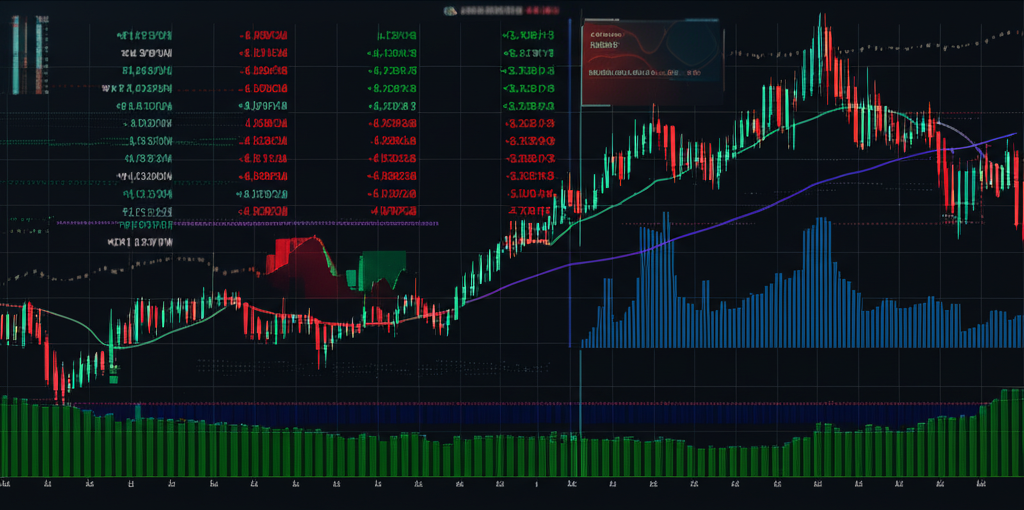
Introduction to Market Volatility
Stock market volatility can be intimidating for new investors, but understanding it is crucial for long-term success. Volatility refers to the rate at which stock prices increase or decrease over a particular period.
While volatility is often viewed negatively, it's a natural part of investing. Markets go through cycles of high and low volatility, and successful investors learn to use these periods to their advantage rather than fear them.
What Causes Volatility?
Market volatility is driven by various factors including economic data releases, geopolitical events, corporate earnings reports, and changes in monetary policy. Understanding these drivers helps investors make informed decisions.
External shocks, such as global pandemics, wars, or financial crises, can trigger sudden spikes in volatility. Even positive news, like better-than-expected earnings, can increase volatility if it changes market expectations dramatically.
Measuring Volatility
The VIX (Volatility Index) is the most common measure of market volatility. Often called the "fear index," it measures expected volatility over the next 30 days based on S&P 500 options prices.
A high VIX (above 30) indicates increased uncertainty and fear in the market, while a low VIX (below 15) suggests calm conditions. Historical volatility, beta, and standard deviation are other useful metrics for individual stocks.
Strategies for Volatile Markets
Diversification remains the cornerstone of risk management. By spreading investments across different asset classes, sectors, and geographies, you can reduce portfolio volatility significantly.
Dollar-cost averaging helps smooth out entry points during volatile periods. Instead of trying to time the market, invest fixed amounts regularly. This approach reduces the impact of short-term fluctuations.
Maintaining a long-term perspective is crucial. Historical data shows that markets trend upward over time despite short-term volatility. Stay focused on your financial goals and avoid making emotional decisions based on daily price movements.
Related Topics
Related Articles

REITs Explained: Investing in Real Estate Without Buying Property
Understand how Real Estate Investment Trusts work, their benefits and risks, and how to incorporate ...