Maximizing Your 401(k): Essential Strategies for Retirement Success
Learn how to optimize your 401(k) contributions, choose the right investment mix, and avoid common mistakes that could cost you thousands in retirement.
Author
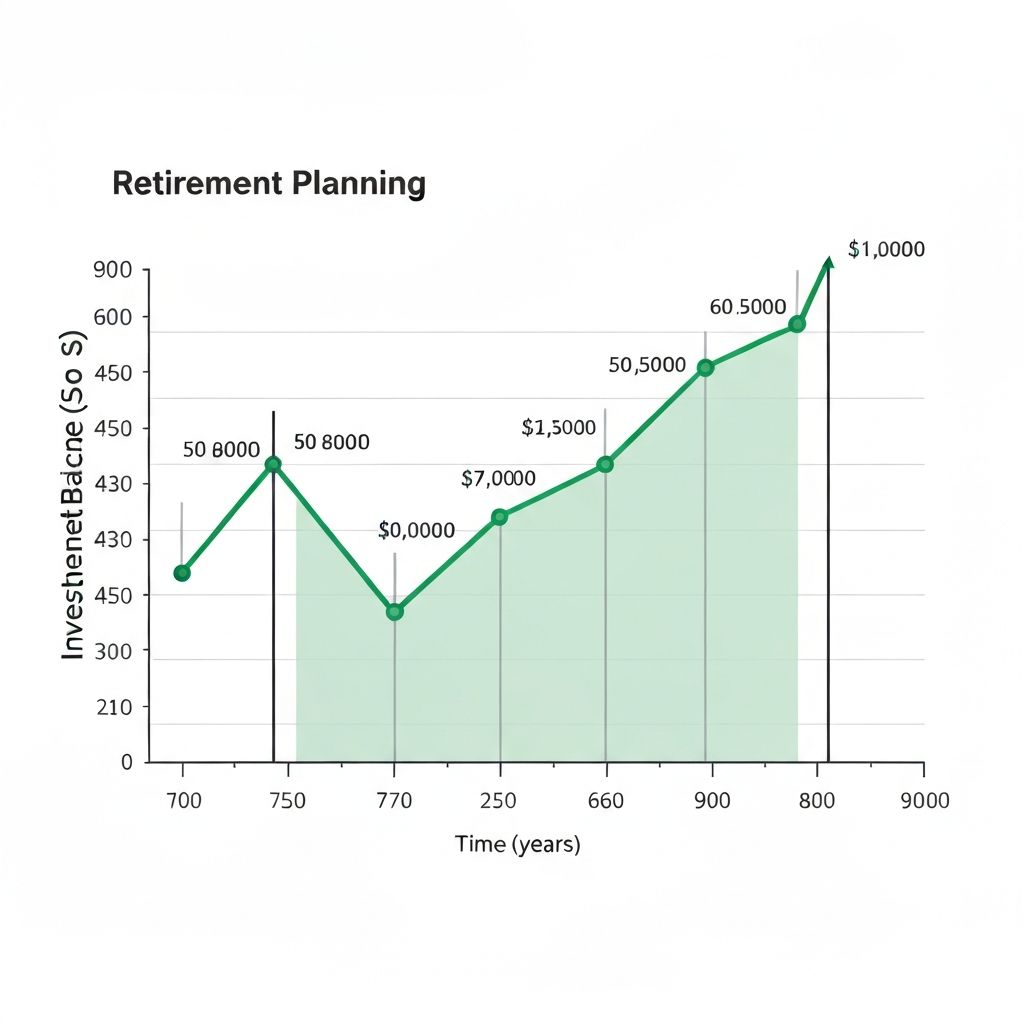
The Power of Your 401(k)
Your 401(k) is one of the most powerful tools for building retirement wealth. Understanding how to maximize its benefits can significantly impact your financial future.
Tax-deferred growth allows your money to compound faster than in taxable accounts. Over decades, this advantage can add hundreds of thousands to your retirement nest egg.
Contribution Strategies
Always contribute enough to capture your employer's full match - it's free money with an immediate 100% return. In 2025, you can contribute up to $23,000 annually, or $30,500 if you're 50 or older.
Maxing out contributions should be a priority for those who can afford it. If you can't max out immediately, increase your contribution rate by 1-2% each year. You'll barely notice the difference but it compounds significantly over time.
Asset Allocation Strategies
Your investment mix should align with your age and risk tolerance. A common rule is to subtract your age from 110 to determine your stock allocation percentage. For example, a 30-year-old might hold 80% stocks and 20% bonds.
Younger investors can typically afford more stock exposure since they have decades to recover from market downturns. Those nearing retirement should gradually shift toward bonds and stable assets to preserve capital.
Review your allocation annually and rebalance if any asset class deviates more than 5% from your target. Many plans offer target-date funds that automatically adjust allocation as you approach retirement.
Common Mistakes to Avoid
Don't borrow from your 401(k) unless facing true financial emergency. Loans disrupt compound growth and you'll pay back with after-tax dollars what you borrowed pre-tax.
Avoid being too conservative, especially when young. Many people park money in stable value funds earning 2-3% when they have 30+ years to invest. Over decades, this overly cautious approach can cost hundreds of thousands in potential gains.
Never leave your 401(k) behind when changing jobs. Roll it over to your new employer's plan or an IRA to maintain control and avoid administrative fees that can erode your balance.